
How do phone-based health scans compare to a real blood pressure cuff?
A detailed comparison of phone-based health scans using rPPG technology versus traditional blood pressure cuffs, examining accuracy, methodology, and current research.
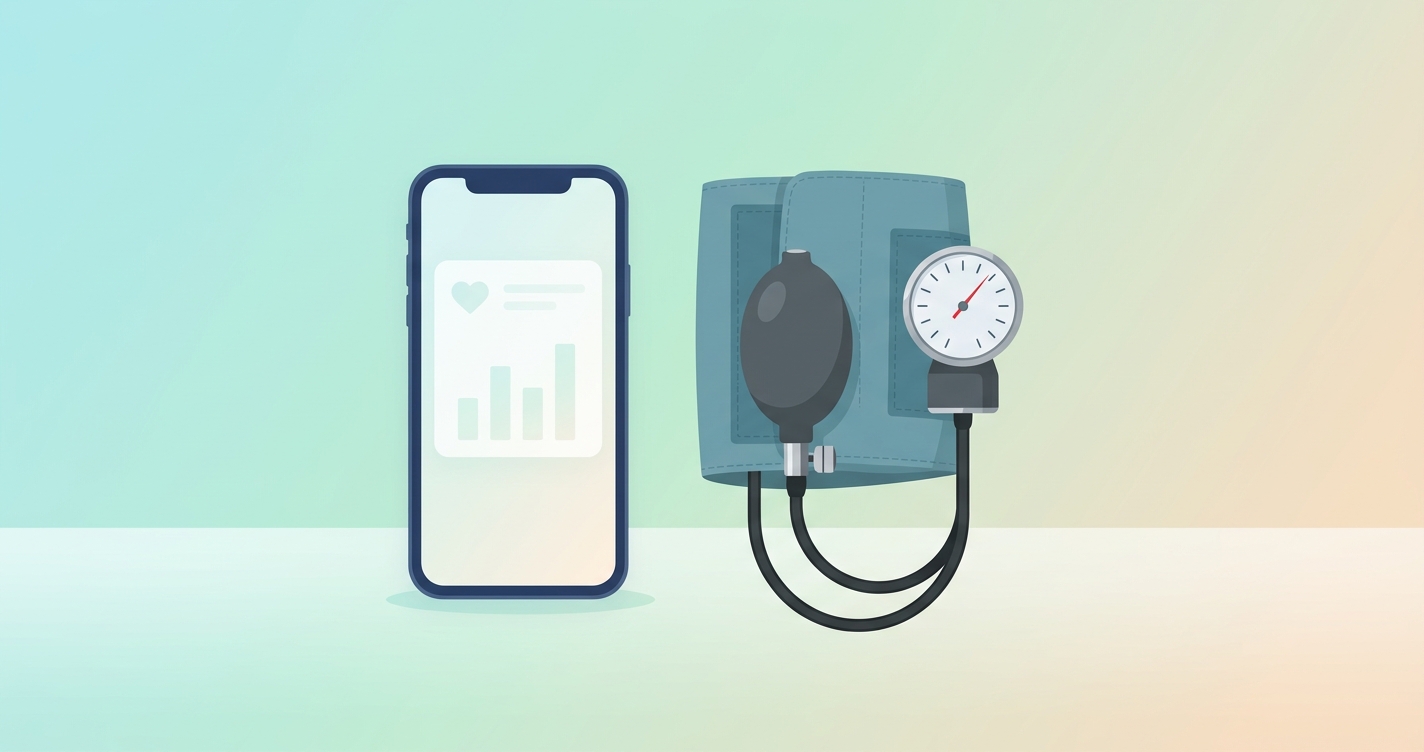
The idea of measuring your blood pressure with a smartphone camera sounds like science fiction, but it is rapidly becoming a reality. As millions of people use their phones to track health metrics, the question of accuracy is critical. For a measurement as critical as blood pressure, understanding the difference between a quick phone scan and a traditional, validated medical device is essential. While the convenience of a phone-based scan is undeniable, its current role is for tracking trends and providing a broader wellness picture, not for replacing a doctor's diagnosis or a dedicated blood pressure cuff. The underlying technology is powerful, but the line between a wellness observation and a medical measurement is bright.
"A study of one of the first commercially available smartphone apps for blood pressure found that it was 'highly inaccurate,' with the authors concluding it could be 'harmful by providing falsely reassuring information to people with hypertension.'" - Plante et al., JAMA Internal Medicine (2016)
Phone scan vs blood pressure cuff: the core differences
The primary distinction between a phone scan and a blood pressure cuff lies in the method of measurement. A traditional automated blood pressure cuff uses the oscillometric method. It inflates to temporarily stop blood flow and then slowly deflates, detecting the oscillations, or vibrations, in the arterial wall. The device's internal processor analyzes these oscillations to determine systolic and diastolic blood pressure. This method is a direct, physical measurement of the pressure exerted by blood on the artery walls.
In contrast, a phone-based health scan uses a technology called remote photoplethysmography (rPPG). The smartphone's camera detects subtle changes in the color of the skin on your face. These changes are caused by the changing volume of blood pulsing through the capillaries just beneath the surface. Advanced algorithms analyze this video feed to extract a pulse waveform. From this waveform, metrics like heart rate and respiratory rate can be calculated. Estimating blood pressure from this data is more complex, as it doesn't directly measure pressure. Instead, it analyzes the shape and timing of the pulse wave, a technique known as pulse wave analysis, to derive a blood pressure trend. It is not a direct measurement of pressure but an estimation based on correlating the characteristics of the pulse wave to blood pressure.
| Feature | Phone-Based Scans (rPPG) | Cuff-Based Measurement (Oscillometric) |
|---|---|---|
| Method | Remote Photoplethysmography (rPPG) | Oscillometric |
| Convenience | High (no extra hardware) | Moderate (requires dedicated device) |
| Measurement Type | Indirect estimation of blood pressure trends | Direct measurement of arterial pressure |
| Primary Use Case | Frequent, convenient trend monitoring | Diagnostic and medical monitoring |
| Regulatory Status | Generally not medically cleared (for BP) | Often medically cleared (e.g., FDA) |
Industry Applications
Despite the current limitations for diagnostic use, the potential for phone-based blood pressure monitoring is significant. The technology offers a level of convenience and accessibility that cuff-based devices cannot match.
Use Cases:
- High-Frequency Monitoring: For individuals interested in tracking how their lifestyle choices, like diet, exercise, and stress management, affect their blood pressure over time, a daily phone scan offers a frictionless way to gather data.
- Population-Level Screening: In low-resource settings, using existing smartphones for large-scale blood pressure screening could help identify individuals at risk for hypertension who may not have access to traditional medical equipment.
- Telehealth and Remote Patient Monitoring: As part of a broader telehealth platform, rPPG can provide healthcare providers with frequent, patient-initiated data points between clinic visits, offering a more holistic view of a patient's cardiovascular health trends.
Current research and evidence
The scientific community is actively researching and validating the accuracy of phone-based blood pressure estimation. A key challenge has been the lack of a standardized validation protocol for these new cuffless technologies. Standards from organizations like the Association for the Advancement of Medical Instrumentation (AAMI) and the European Society of Hypertension (ESH) were designed for cuff-based devices.
Early research highlighted significant accuracy issues. A widely cited 2016 study led by Timothy B. Plante at the Johns Hopkins University School of Medicine analyzed an app called Instant Blood Pressure. The study found the app was "highly inaccurate" and failed to identify individuals with high blood pressure, creating a risk of false reassurance. This study was a critical moment, underscoring the need for rigorous scientific validation and regulatory oversight.
More recent research is showing promise as algorithms and methods improve. Studies are now being conducted using more robust validation protocols designed to assess cuffless devices. While many consumer apps still lack validation, research-grade technologies are beginning to demonstrate accuracy that approaches the standards required for medical devices. However, no smartphone-only app has received FDA clearance for blood pressure measurement to date. The key takeaway is that the source of the technology matters immensely.
The future of contactless blood pressure monitoring
The future of phone-based blood pressure monitoring is bright, but it depends on continued research, transparent validation, and clear communication with users about the technology's capabilities and limitations. As machine learning algorithms become more sophisticated and are trained on more diverse datasets, the accuracy of rPPG-based blood pressure estimation is expected to improve significantly.
The ultimate goal is to achieve accuracy that meets regulatory standards, which would unlock the full potential of this technology for both individual wellness and public health. This would require robust, peer-reviewed studies across diverse populations, including varying skin tones, ages, and health conditions. Until then, the primary value of a phone scan vs blood pressure cuff is in its ability to provide convenient, frequent insights into cardiovascular trends, empowering users to be more aware of their health.
Frequently asked questions
Q: Can a phone camera really measure blood pressure? A: A phone camera cannot measure blood pressure directly. It uses rPPG technology to capture a pulse waveform from your face, and then uses algorithms to estimate blood pressure trends from that data. It is an indirect estimation, not a direct measurement like a cuff.
Q: Are blood pressure apps accurate? A: Accuracy varies widely. Many apps available in app stores have not been scientifically validated and can be highly inaccurate. However, technologies from research-focused companies are showing increasing accuracy in clinical studies. It is crucial to look for providers who are transparent about their validation data.
Q: Should I use a phone scan instead of a cuff? A: No. A phone scan should not be used to replace a traditional blood pressure cuff for medical diagnosis or managing a known health condition. Its current value is in providing convenient, high-frequency tracking of your blood pressure trends for wellness purposes.
Q: What is the difference between a blood pressure measurement and a blood pressure trend? A: A blood pressure measurement is a specific, diagnostic reading taken at a single point in time, like what you get from a cuff at the doctor's office. A blood pressure trend is a series of estimations taken over time that shows the general direction of your blood pressure, whether it is generally increasing, decreasing, or staying stable.
This space is evolving quickly as research progresses. Companies like Circadify are at the forefront of developing and validating contactless health monitoring technologies. To experience a phone-based health scan for yourself, you can learn more at circadify.com/download?utm_source=trycircadify.