Should I scan my face every morning to track my health?
Is a daily face scan the future of personal health monitoring? We analyze the science, benefits, and limitations of using your phone's camera for daily health tracking.
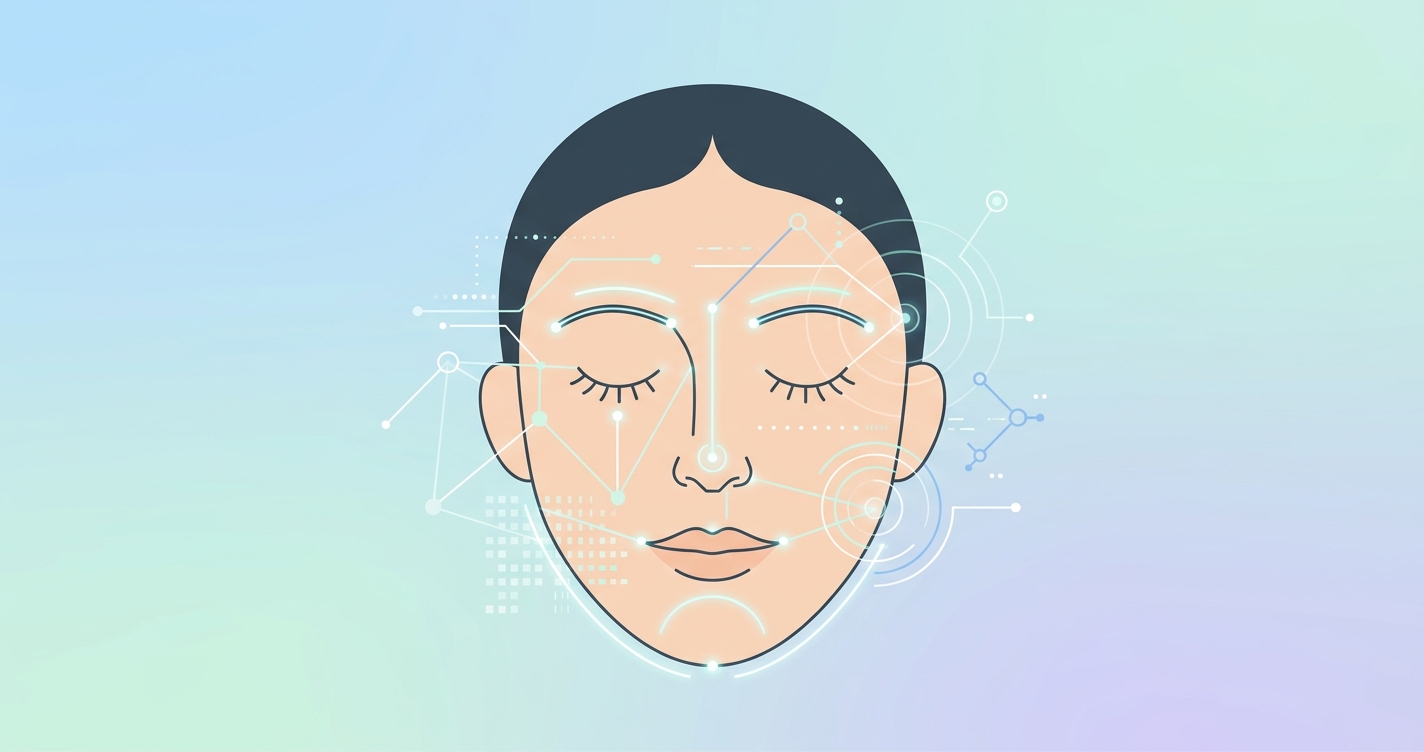
The habit of personal health tracking is now mainstream. Millions of people monitor their steps, sleep patterns, and workouts using wearables. Now, a new sensor is becoming part of the daily routine: the smartphone camera. The idea of a daily face scan for health tracking is moving from science fiction to a practical option for health-curious individuals. By simply looking at your phone's camera, you can get readings on vital signs like heart rate, respiratory rate, and heart rate variability. But does this convenience translate into a meaningful health practice? Answering that question requires a look at the underlying technology, its current capabilities, and the tangible benefits of establishing a daily health baseline.
"The largest-scale study of rPPG to date, involving a diverse cohort of over 7,000 participants, found that the technology could predict a user's 5-year risk of developing a new cardiovascular condition with performance comparable to standard risk models that require in-person testing." (Ding, X. et al, 2023)
The rise of daily face scan health tracking
The technology powering daily face scan health tracking is known as remote photoplethysmography (rPPG). It works by detecting subtle changes in the color of the skin on your face, which are invisible to the human eye. Every time your heart beats, it pumps blood through your vascular system, causing the capillaries in your face to expand and contract. This slight change in blood volume alters the way light reflects off your skin. A smartphone camera, combined with sophisticated algorithms, can analyze these reflections in the video feed of your face to calculate your pulse. From this core measurement, machine learning models can then derive other key vital signs, including respiratory rate, heart rate variability (HRV), and blood pressure trends. The appeal is obvious: it requires no special hardware beyond the phone you already own, making it an accessible tool for anyone interested in building a more detailed picture of their health over time.
| Feature | Daily Face Scan (rPPG) | Wearable Smartwatch (PPG) | Clinical Devices (e.g., ECG, BP Cuff) |
|---|---|---|---|
| Method | Video analysis of facial skin | LED lights and sensors on wrist | Electrical sensors or inflatable cuff |
| Primary Vitals | Heart Rate, HRV, Respiratory Rate | Heart Rate, HRV, SpO2 | Heart Rhythm, Blood Pressure |
| Convenience | High (uses existing smartphone) | High (worn on body) | Low (requires specific equipment, often in a clinic) |
| Best For | On-demand spot checks, trend analysis at rest | Continuous monitoring, activity tracking | Diagnostic accuracy, medical assessment |
| Limitations | Sensitive to motion, lighting, and skin tone | Can be affected by fit, motion, and tattoos | Not suitable for continuous or casual tracking |
Benefits of a daily health baseline
Incorporating a quick, non-invasive scan into your morning routine offers several advantages for proactive health management. It is less about diagnosing a specific condition at a single point in time and more about understanding your body's patterns.
- Establish a Personal Baseline: Your "normal" is unique to you. Daily measurements help you understand your resting heart rate, stress levels, and respiratory patterns when you are healthy. This baseline makes it easier to spot when something is off.
- Identify Trends and Triggers: Are your stress levels higher on workdays? Does your resting heart rate increase after a poor night's sleep? Daily face scan health tracking helps connect your lifestyle choices to their physiological impact.
- Enhanced Body Awareness: Regularly checking in with your vitals encourages a greater sense of mindfulness about your health. This simple act can serve as a daily reminder to prioritize well-being.
- Motivation and Accountability: Seeing the data behind your health can be a powerful motivator. Noticing a lower resting heart rate after a week of consistent exercise, for example, provides tangible reinforcement for positive habits.
Current research and evidence
The science behind rPPG has matured significantly, with a growing body of research validating its use for general wellness. Multiple studies published in 2023 focused on the accuracy and limitations of the technology. Research published by University of South Australia researchers found that while rPPG showed strong agreement with ECG for average heart rate detection, its accuracy can be impacted by subject movement and poor lighting conditions.
Another key area of investigation is the technology's ability to measure Heart Rate Variability (HRV), a critical indicator of nervous system balance and stress. While some studies note that rPPG-derived HRV is still an area of active development, the results are promising. A 2023 paper in Scientific Reports highlighted how deep learning techniques are improving the robustness and accuracy of rPPG, even in challenging, real-world conditions. Researchers are consistently finding that for on-demand readings taken while at rest, the technology provides a reliable snapshot of cardiovascular function.
The future of contactless health monitoring
The field of daily face scan health tracking is evolving rapidly. As smartphone cameras become more advanced and the algorithms grow more sophisticated, the range and accuracy of measurements will only increase. The future likely involves the integration of more complex biomarkers, potentially including metrics related to skin condition and even cognitive state analysis. This technology is not intended to replace doctors or clinical-grade equipment. Instead, it represents a fundamental shift toward democratized health awareness, giving individuals the tools to monitor their own wellness and engage with their health data in a more meaningful and consistent way.
Frequently asked questions
Is it safe to scan my face with a health app? Yes. Reputable health-scanning apps that use rPPG technology are only analyzing light reflected from your skin via the video feed. The process does not emit any harmful signals. The video data is typically processed on the device and then discarded, ensuring privacy.
What is the main difference between a face scan and a smartwatch for health tracking? The primary difference is the monitoring style. A smartwatch is designed for continuous tracking throughout the day, including during exercise. A daily face scan is an on-demand spot check, providing a high-quality reading of your resting vitals at a specific moment in time.
How accurate is a daily face scan for health tracking? For key vitals like resting heart rate, the accuracy is quite high and often comparable to consumer wearables. Studies from 2023 indicate a mean difference of around 2% compared to ground-truth measurements. However, accuracy can be affected by factors like significant movement, very low light, or holding the phone too far from your face.
What is the best way to perform a scan? For the most reliable results, sit still in a quiet, well-lit space. Avoid talking or making large facial movements during the scan. Rest your arm on a table to keep your phone steady and hold it at a comfortable distance, as instructed by the app.
The journey towards understanding and using contactless health monitoring is just beginning. As a leader in the rPPG space, Circadify is committed to making this technology more accessible and reliable, empowering individuals to take a more active role in their health. To see how simple and insightful a camera-based health check can be, you can get started by visiting circadify.com/download?utm_source=trycircadify.