Best Camera Health Check Apps for iPhone in 2026
A research-style roundup comparing the best camera health check app iPhone options in 2026, with criteria, evidence, and what health-curious iOS users should weigh.
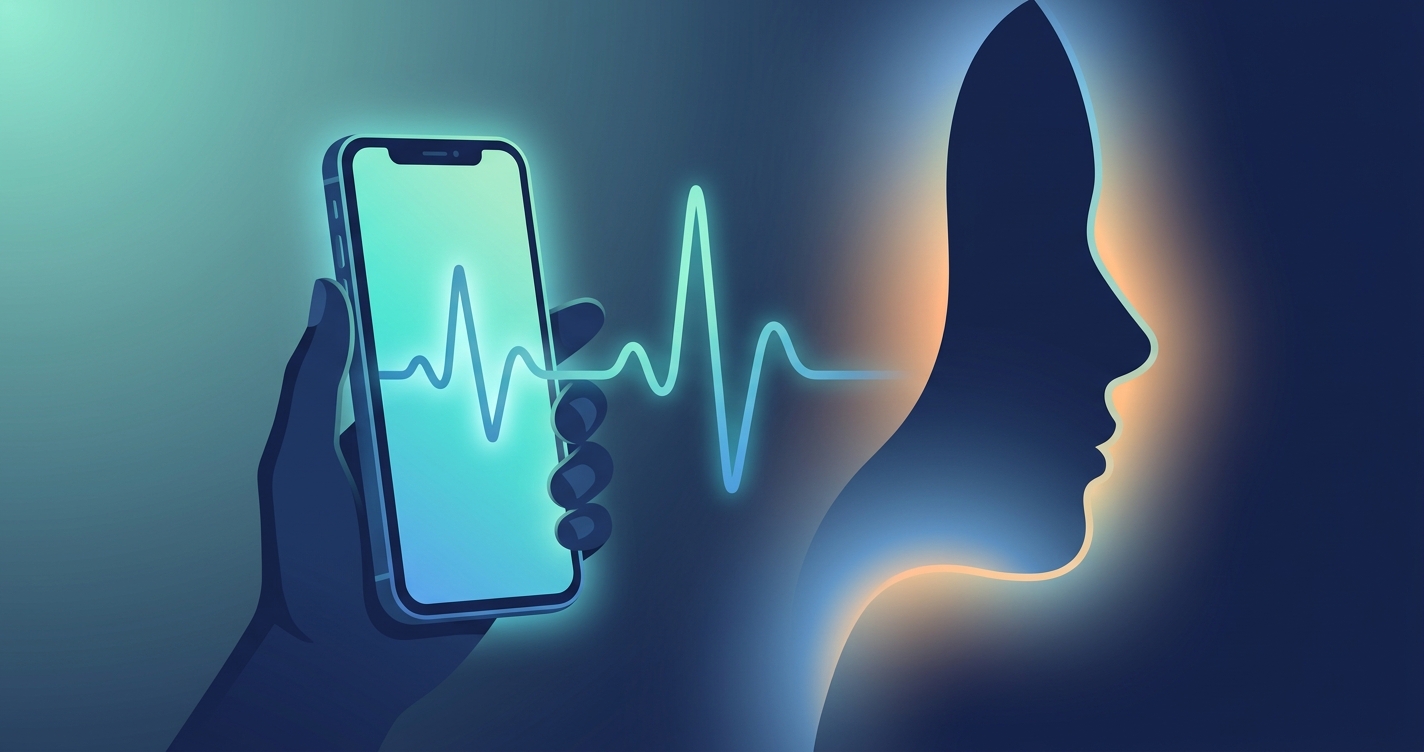
The iPhone has quietly become one of the most capable health sensors most people already own. Between a high-frame-rate front camera, a fast neural processor, and a tight integration with Apple Health, the hardware needed to read a pulse or breathing rate from a short video clip now sits in nearly every pocket. That shift has produced a crowded category, and shoppers searching for a camera health check app iphone in 2026 face dozens of options that all promise the same thing in slightly different language. This report breaks down how the category actually works, what separates a credible app from a novelty, and which selection criteria matter most before you tap download.
The global contactless vital signs monitoring market is projected to exceed USD 1.5 billion by 2026, growing at a compound annual rate above 20 percent, according to Grand View Research market analysis.
What a camera health check app on iphone actually measures
A camera health check app iphone relies on a technique called remote photoplethysmography, usually shortened to rPPG. When your heart pushes blood through the capillaries in your face, it changes how light reflects off your skin by a tiny amount that is invisible to the naked eye. The front camera captures those micro-fluctuations across hundreds of frames, and an algorithm converts the pattern into a pulse waveform. From that single signal, a well-built app can derive resting heart rate, heart rate variability, respiratory rate, and an estimate of stress or recovery.
The contact-based cousin of this method, where you cover the rear camera and flash with a fingertip, has been studied for longer and tends to perform well at rest. A 2024 scoping review published in Frontiers found that contact-based smartphone photoplethysmography showed good to very strong agreement with electrocardiography for resting heart rate in healthy subjects, though the authors stressed that results were strongest under controlled conditions. The contactless face-scan approach is newer but advancing quickly, which is why most of the strongest 2026 apps now offer a face scan as the default experience.
For a shopper, the practical takeaway is that not every app marketed as an iphone health scanner uses the same method, the same processing location, or the same level of validation. Those differences drive most of the quality gap between products.
How the leading iphone vitals apps compare
The table below frames the category by the attributes that matter to a health-curious iOS user rather than by brand. Use it as a checklist when you evaluate any contactless vitals app ios option in the App Store.
| Evaluation Criteria | What the Best Apps Offer | What to Watch For |
|---|---|---|
| Measurement method | Contactless face scan via front camera (rPPG), optional finger scan | Apps that only do finger scans miss the convenience advantage |
| Metrics covered | Heart rate, HRV, respiratory rate, stress or recovery index | Single-metric apps that only read pulse |
| Processing location | On-device processing for privacy | Apps that upload raw video to a server |
| Apple Health integration | Two-way sync with the Health app | No export or locked-in data |
| Pricing model | Free core scan, transparent upgrade path | Hidden subscriptions after a short trial |
| Scan time | 30 to 60 seconds | Scans that demand several minutes of stillness |
| Transparency | Clear wellness, not diagnostic, framing | Apps implying medical diagnosis |
A few patterns separate a strong phone health app 2026 release from the rest:
- On-device processing is becoming the default for privacy-minded users, since it means your face video never leaves the phone.
- Multi-metric scans deliver more value than pulse-only tools, because heart rate variability and respiratory rate add context a raw number cannot.
- A genuine free tier matters for first-time users who want to test the technology before committing to a subscription.
- Honest wellness framing is a signal of a trustworthy developer, since contactless apps are positioned for general awareness rather than clinical diagnosis.
Industry applications beyond the solo user
The same rPPG engine that powers a consumer best vitals app iphone download is being adapted across several settings, which tells you the underlying technology is maturing rather than fading.
Personal daily tracking
The most common use is a quick morning baseline. A 30-second scan over coffee gives a trend line for resting heart rate and HRV that, watched over weeks, surfaces patterns tied to sleep, stress, and training load. This is where most iPhone owners start.
Family and caregiving
Because a phone scan requires no strap or cuff, caregivers increasingly use it to spot-check an aging parent or a child without disrupting them. The contactless nature removes the friction that makes wearables impractical for people who will not keep a device on.
Fitness and recovery
Athletes and weekend exercisers use camera-based HRV readings to gauge recovery and decide whether to push or rest. A camera scan complements a watch by allowing readings on days the wearable is off the wrist or charging.
Telehealth and screening touchpoints
Clinics and remote-care programs are testing contactless scans as a low-cost way to capture vitals at the start of a virtual visit, reducing the dependence on patient-owned peripherals.
Current research and evidence
The evidence base behind a camera health check app iphone has grown sharply in the past two years. In 2026, Google Research described a system called PHRM that enables passive heart rate and resting heart rate monitoring during ordinary front-camera use. The team reported a mean absolute percentage error below 10 percent against electrocardiography, which meets common industry accuracy thresholds, and noted that the model held up across all skin tones, an area where earlier rPPG systems struggled because melanin can dampen the optical signal.
Independent reviews echo that momentum while flagging limits. A 2025 review in PMC on heart rate measurement using rPPG and deep learning concluded that modern models substantially reduce errors from motion and lighting, with some non-contact approaches reporting mean absolute errors near 3 beats per minute against a reference device. At the same time, researchers at Bielefeld University reported in 2025 that rPPG accuracy can fall off sharply at elevated heart rates, which means the technology is most reliable for resting and near-resting measurements rather than peak-exertion readings.
The consistent message from the literature is that contactless camera measurement is now credible for at-rest trend tracking, that skin-tone fairness is improving fast, and that buyers should treat these tools as wellness instruments rather than diagnostic devices. That framing matches how the strongest apps describe themselves.
The future of camera health check apps on iphone
Several trends will shape the next wave of iPhone vitals apps. Passive measurement, as demonstrated by recent research, points toward a future where your phone reads heart rate in the background during normal use rather than during a dedicated scan. Expanded metrics are also on the horizon, with active work on blood pressure trends, blood oxygen estimation, and richer stress modeling from the same camera feed.
Fairness and validation will likely become marketing differentiators rather than footnotes, as developers compete on how well their models perform across skin tones, ages, and lighting conditions. And tighter Apple Health integration will turn isolated scans into a connected record that sits alongside sleep, activity, and workout data. For shoppers, the practical implication is to favor apps from teams that are visibly investing in the science, because those products will absorb new capabilities fastest.
Frequently asked questions
Is a camera health check app on iPhone accurate?
For resting measurements, recent peer-reviewed work shows strong agreement with reference devices, including a 2026 Google Research system reporting under 10 percent error against ECG. Accuracy is best at rest and in good lighting, and these apps are designed for wellness tracking rather than medical diagnosis.
Do these apps need a finger on the camera or a face scan?
Both methods exist. Finger-and-flash scans have a longer research history and work well at rest, while contactless face scans using the front camera are now the default in most 2026 apps because they are faster and require no contact.
Is my video data private?
It depends on the app. The most privacy-conscious options process the video entirely on the device, so no raw footage is uploaded. Always check whether an app states on-device processing before you scan.
Are free iPhone vitals apps worth using?
A free core scan is a sensible way to test whether contactless vitals tracking fits your routine before paying for anything. Look for a transparent upgrade path rather than a short trial that converts to a hidden subscription.
If you want to see how contactless scanning feels before weighing any paid option, Circadify is addressing this space with a free camera-based vitals scan built for health-curious iOS users. You can try it and explore the technology firsthand at circadify.com/download.